




Beautiful Bed Set, ordering was easy and delivered on Time. James who i dealt with was great, very attentive,friendly and efficient. Love all your bedding and furniture. Just beautiful!
Hi Eva, thank you so much for your lovely review! We're delighted to hear you love the Wylder Nature duvet set and had a great experience with James. We appreciate your support and look forward to serving you again!
Love the rug, gorgeous and great value!
Hi Sarin, we're so happy you love the rug! Thanks for sharing your kind words. Enjoy your new decor piece!
perfect colour and size
Thank you for taking the time to leave a review for our SERENITY EVA LAMP SHADE GRANITE. We are delighted to hear that you are happy with the quality and color of your purchase. We hope it brings a peaceful and stylish touch to your home. Thank you for choosing Hazelwood Interiors!
Fabulous bench and fantastic customer service
Thank you for your review! We're so glad to hear that you are enjoying your ANNETTE BENCH and that you had a fantastic experience with our customer service. It's our pleasure to provide our customers with the best possible service. Thank you for choosing Hazelwood Interiors .
Absolutely love the rug and matching cushions I purchased, fantastic quality and service Thank you Hazelwood 😊
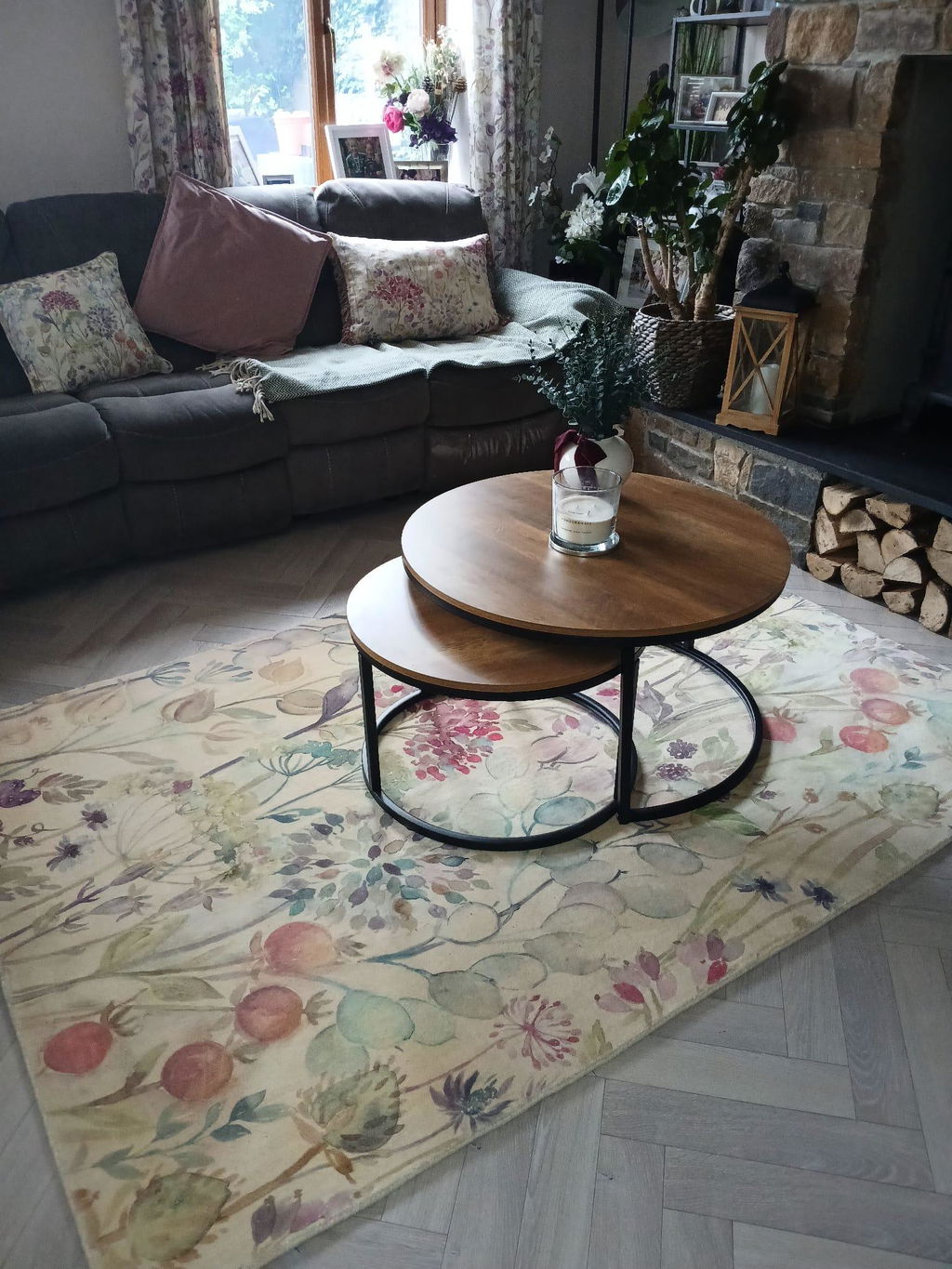
Thank you so much for your kind words! We are thrilled to hear that you love your new rug and cushions from Voyage Maison. We take great pride in providing high-quality products and excellent service. Thank you for choosing Hazelwood, and we hope you enjoy your new pieces for years to come! 😊