


The English Pastoral Rule

Interior Masterclass • Botanical Design Curation

The English Pastoral Rule

Balancing Botanical Scale in Modern Spaces

By The Hazelwood Design Studio A Masterclass in Pattern Scale & Structural Breathing Room

Botanical prints carry an undeniable sense of narrative weight. From sweeping, hand-drawn English country cottage florals to detailed woodland landscapes, archival patterns inject warmth and nostalgia into an interior. Yet, when translating these iconic designs into modern or transitional environments, the risk of visual overcrowding is exceptionally high.

To prevent a room from feeling overly chaotic or dated, our design house employs The English Pastoral Rule. This styling framework approaches botanical patterns not as simple decorations, but as living, architectural landscape elements. By establishing a strict hierarchy of scale and nesting detailed prints inside large, solid, flat-color margins, you can introduce sweeping countryside patterns while keeping the overall layout feeling beautifully crisp, tailored, and undeniably modern.

01

The Nested Scale Sequence

Never pit two prints of equal scale against one another. If your window frames are dressed in a sprawling, large-scale climbing tree or floral vine motif, your adjacent upholstery or soft accents must immediately shift size. Drop down to a medium-scale wildflower coordinate, or contrast the entire layout with a clean, micro-scale ticking stripe to give the eyes a natural point of rest.

02

Tonal Pigment Grounding

To successfully integrate rich botanical designs, extract the quietest background tone from the pattern fabric and replicate it across your solid surfaces. If a Sanderson curtain features an olive-tinted leaf backdrop, utilize that precise earthy tone on your walls or primary upholstery. This seamlessly absorbs the fabric frame into the architecture, softening its visual footprint.

03

The Low-Horizon Buffer

High-volume botanical prints require a heavy, plain base to prevent them from feeling untethered. When running elaborate patterns across curtains or upper walls, ground the lower third of the room with absolute structural simplicity. A deep-pile, completely solid wool area rug or a raw, unvarnished timber floor acts as a visual anchor that stabilizes the trailing flora above.

"An interior should never look like a wildflower meadow in the middle of a storm. It must feel like a structured garden viewed through a clean, modern architectural frame."

— Hazelwood Design Notebook, 2026

The Pastoral Blueprint: Layering Patterns with Precision

Follow our signature studio arrangement to balance heritage prints across your living zones without overcrowding your floor plan:

Step 1: The Macro Frame

Assign your grandest, large-scale botanical pattern to the largest fabric element in the room—typically the main window drapery line. This gives the primary print a vertical surface where it can hang fully extended, showing off the true sweep and artistry of the design.

Step 2: The Linear Contrast

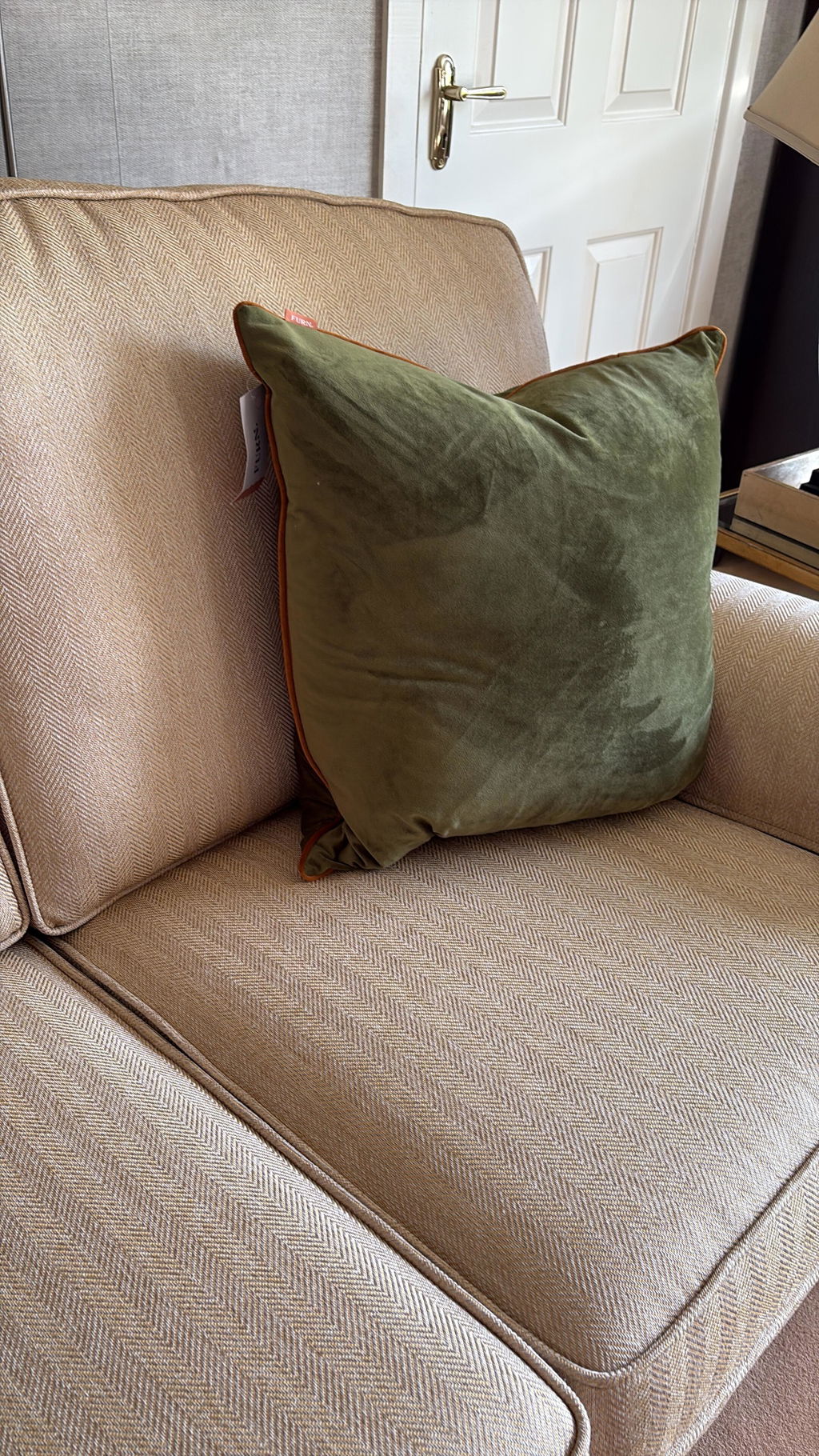
Break up the fluid, organic curves of floral patterns by introducing sharp, geometric lines nearby. Frame a heavily patterned armchair with clean, plain linen cushions featuring a sharp piped edge, or ground the seating area directly onto a sharply bordered heritage rug layout.

Step 3: The Micro Accents

Use smaller, isolated decorative moments to sprinkle in complementary details. Introduce low-volume botanical throw cushions that share a color palette with your main curtains, but use a much tighter pattern layout, allowing them to accent rather than compete with the primary theme.

The Botanical Balance Matrix

Utilise this technical guide to properly balance print sizes and negative space across different rooms in your home.

Interior Zone The Macro Pattern The Micro Coordinate The Spatial Buffer
The Formal Lounge Large-scale climbing branch or floral vine curtains Tight wildflower or leaf-sprig accent cushions Solid matte linen sofas and deep-pile neutral wool rugs
The Main Bedroom Heritage botanical statement headboards or wall elements Classic crisp ticking stripe or small-block print linens Pristine, solid white cotton percale bedding bases
The Garden Room / Studio Medium-volume floral or meadow upholstery frames Fine embroidered foliage borders on casual throws Chalky, unpatterned sage or limestone washed walls
Transits & Hallways Striking trailing leaf runners or framed fabric prints Minimalist tone-on-tone textured door stops Bare, wide-plank oak flooring and clean white architraves