


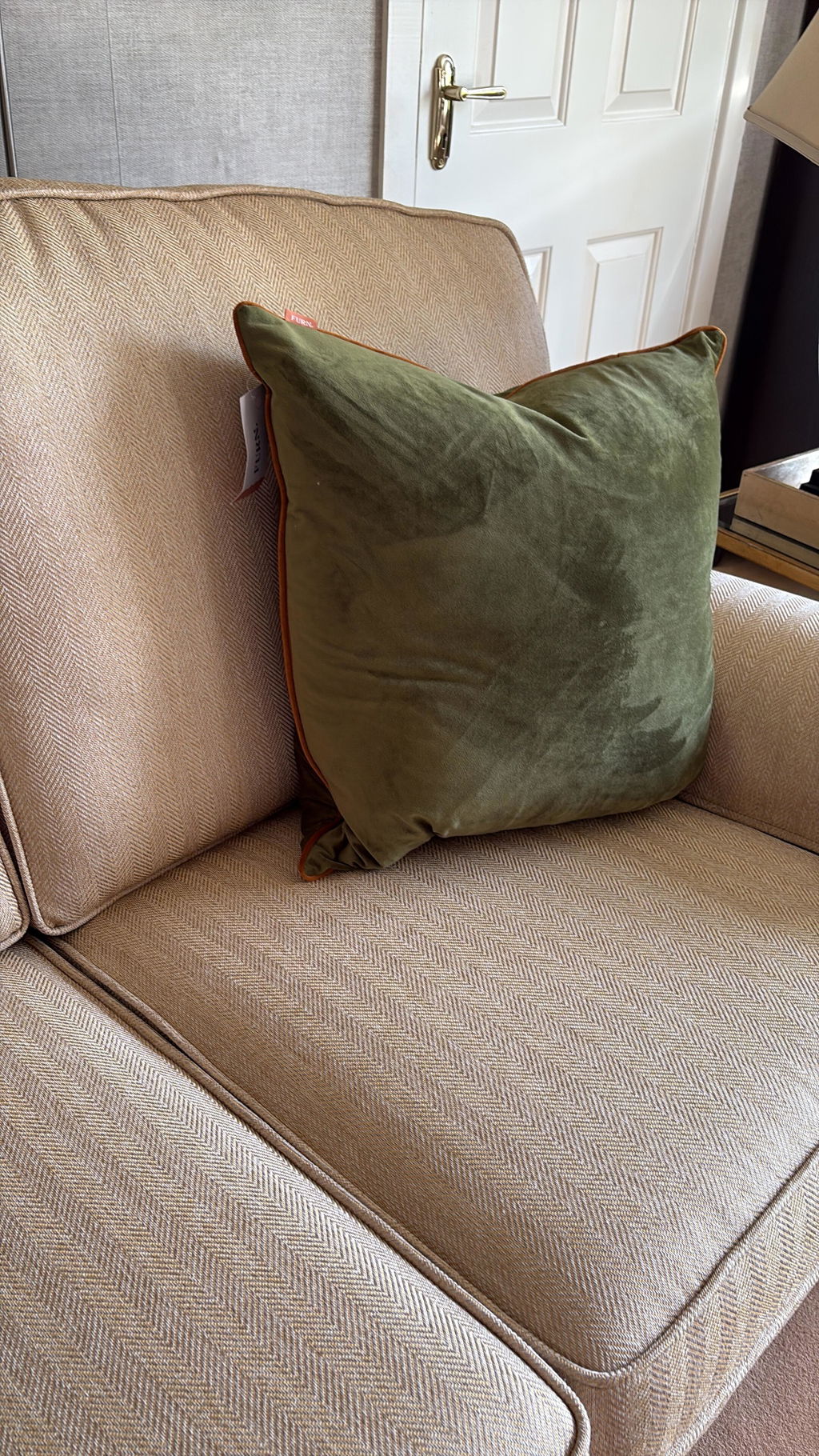
The Heritage Rule

Interior Masterclass • Archival Design Curation

The Heritage Rule

Layering Opulent Textures within Traditional Spaces

By The Hazelwood Design Studio A Masterclass in High-End Textural Weight

The architectural charm of a historic property or traditional build provides an irreplaceable sense of permanence. However, decorating these spaces requires severe technical restraint. When handling deeply ornate elements—such as heavy woven jacquards, historical brocades, and dense velvets—the line between curated grandeur and claustrophobic clutter is exceptionally fine.

To honor heritage architecture without overwhelming it, we deploy The Heritage Rule. This foundational design philosophy shifts the focus away from sheer pattern count and places it strictly on compositional weight distribution. Instead of scattering historic motifs across a room, luxury items must be layered in concentrated structural pockets, balanced by unadorned surface margins that give the eye breathing room.

01

Compositional Clustering

Heavily detailed textiles—like our Paoletti brocade duvet suites or bullion-fringed cushions—lose their high-end impact if allowed to bleed endlessly into the room. Isolate your opulence. Group your rich textures on defined focal planes, such as the central bedding horizon or a single master seating arrangement. Surrounding spaces should remain strictly simple to act as a quiet frame.

02

The Matte Counter-Balance

Opulence requires gravity to look expensive. When layering light-catching metallic jacquards or reflective plush silks, you must interlace them with completely light-absorbent, matte textiles. Frame a shimmering embroidered cushion with raw slub linen drapes, or drape a dense quilted matelassé bedspread over a dry, unvarnished wool flatweave area rug to ground the luxury.

03

The Plaster Bracket Margin

The antidote to excessive traditional weight is clean negative space. When using detailed historical textiles on furniture and window returns, keep your walls clean and architectural. Lean into smooth, chalky lime-washes or flat, unpatterned plaster tones. This creates a stark, museum-grade boundary that transforms traditional decoration into an intentional work of art.

"Authentic traditional grandeur is never achieved through saturation. It lives in the deliberate pause between a heavy tapestry weave and a raw, silent surface."

— Hazelwood Design Notebook, 2026

The Heritage Blueprint: Step-by-Step Layering

Follow this specific staging order to seamlessly integrate grand, historical soft furnishings into your living or sleeping zones:

Step 1: The Monolithic Base

Establish your underlying structural surfaces first. Keep floors, large upholstery frames, and ceiling mouldings in singular, solid tonal profiles. This establishes a clean architectural canvas that handles rich textiles without losing its underlying form.

Step 2: The Core Textural Stack

Introduce your luxury statement fabrics in deliberate layers. On a bed, stack a crisp cotton percale sheet set, follow with an embroidered jacquard duvet cover, and crown it with a heavy, quilted velvet throw draped strictly across the lower third of the mattress.

Step 3: The Boundary Polish

Anchor the look with substantial, clean-lined functional hardware. Frame intricate ready-made curtains with heavy matte-black iron poles, or ground an elaborate fringed armchair next to a blocky, solid honed marble plinth table.

The Heritage Equilibrium Matrix

Use this technical guide to balance grand, historical textures across different spaces without cluttering your layout.

Interior Zone The Opulent Texture The Matte Balance The Spatial Margin
The Formal Lounge Heavy chenille drapes & gold-embroidered cushions Raw slub-linen sofa bases & flatweave wool rugs Chalky, solid-tinted plaster walls without pattern walls
The Master Suite Woven damask bedding suites & velvet bedspreads Pristine matte cotton sheets & unvarnished timber headboards High-volume white spaces left open above the 90cm horizon
Dining Room / Library Intricate tapestry textures & bullion-fringed runners Open grain solid oak tables & patinated cast iron details Deep tone-on-tone architectural woodwork paneling
Thresholds & Transits Plush faux-velvet and tweed heavyweight door stops Satin-finished wide plank flooring surfaces Bare, unadorned architraves and clean doorways