

The Morris Formula

Interior Masterclass • Design Theory

The Morris Formula

Layering Organic Motifs Without Spatial Overcrowding

By The Hazelwood Design Studio A Guide to Historic Pattern Balance

The enduring brilliance of William Morris lies not merely in the beauty of his individual botanical symmetries, but in their extraordinary structural power. However, introducing these highly complex, winding natural motifs into a luxury modern home can frequently trigger design anxiety. Without a deliberate strategy, maximalist heritage patterns can quickly overwhelm a room, enclosing its natural footprint and crowding out architectural light.

To deploy the rich tapestry of Morris & Co. effectively, one must look past simple decoration and view pattern through the lens of architectural weight. By treating intricate textiles and heavy wool rugs as structural perimeter marks rather than superficial coverings, you can build a space that feels deeply layered, historical, yet profoundly calm.

01

The Single Anchor Plane

Never scatter dominant patterns across multiple disparate surfaces simultaneously. The Morris Formula mandates choosing one primary plane to shoulder the visual narrative. If you choose to hang heavy, floor-to-ceiling ready-made curtains in a legendary print like Strawberry Thief, let that window wall be the room's definitive botanical statement. The surrounding vertical surfaces should remain dedicated to structural solids to give the eye a clean frame of reference.

02

The 60:30:10 Pattern Matrix

Achieving equilibrium requires strict scale proportioning. Dedicate 60% of the room’s visual volume to an anchor colour or clean architectural texture (such as smooth lime-washed walls or unadorned timber floors). Devote 30% to your primary Morris motif via a grand area rug or sweeping window drapes. The final 10% serves as your character bridge—reserved for highly concentrated accents like embroidered velvet cushions or texturised throws.

03

The Materiality Counterweight

Intricate organic lines demand a counterweight of raw, heavy geometry. Balance the fluid, scrolling vines of a classic Morris print by grounding the surrounding space with sharp, structural materials. Think solid raw oak furniture, honed matte stone mantels, and brushed antique brass fittings. These clean, industrial lines slice through the dense tapestry work, immediately modernising the layout.

"Have nothing in your houses that you do not know to be useful, or believe to be beautiful."

— William Morris, 1880

The Room Blueprint: Step-by-Step Curation

To implement this architectural harmony into your dining room or master bedroom suite, follow this technical blueprint to properly layer your textures:

Step A: Establish the Base Boundary

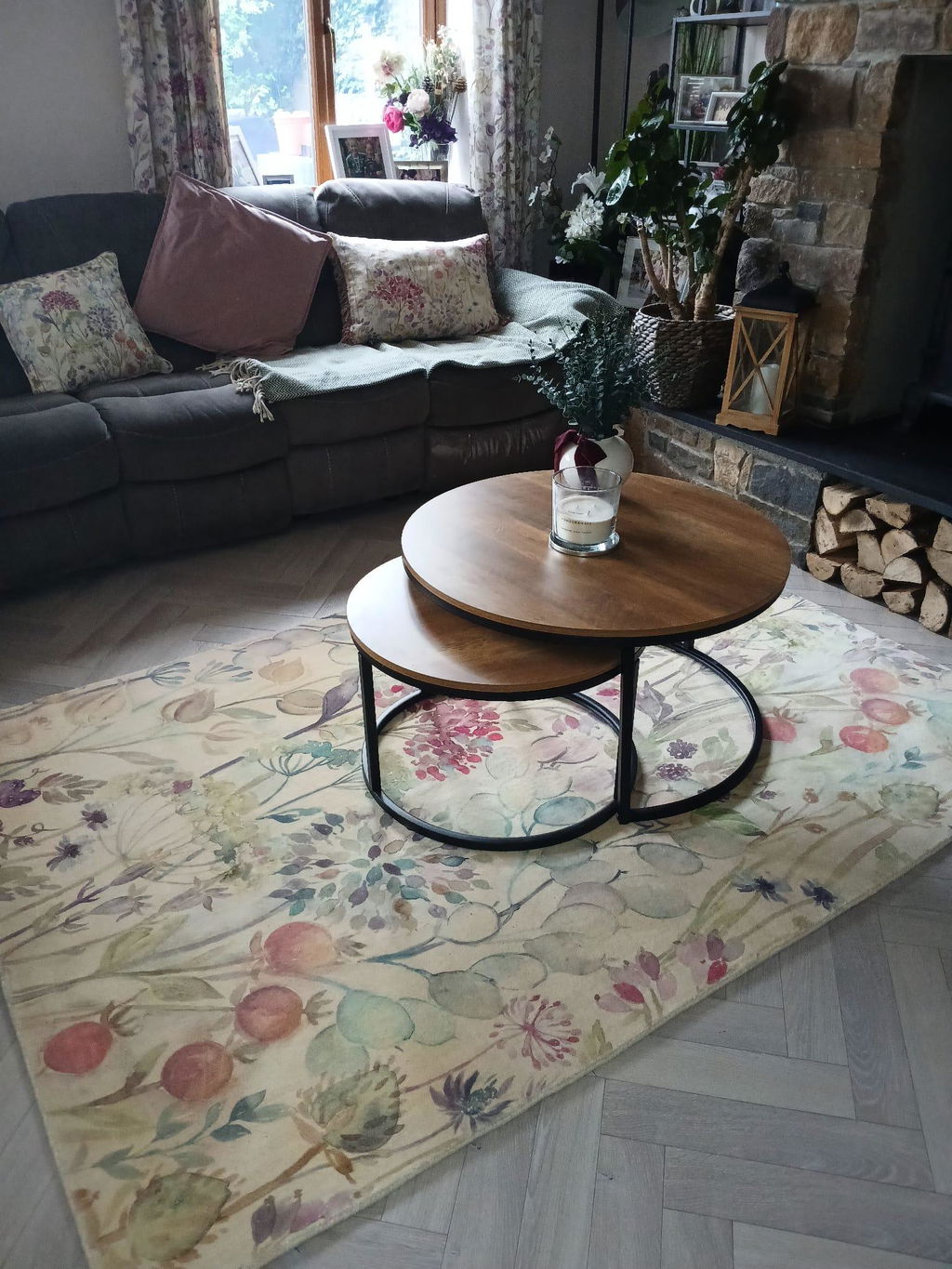
Introduce a hand-tufted William Morris pure wool area rug beneath your central furniture arrangement. The heavy pile acts as a visual anchor, keeping the room's focus grounded and preventing the layout from feeling untethered.

Step B: Frame the Natural Light

Hang fully lined ready-made curtains slightly higher and wider than the actual window frame. This creates a luxurious columns-of-colour effect, echoing the organic upwards movement of Morris’s botanical designs without blocking ambient light.

Step C: Micro-Layer the Accents

Rest an embroidered cushion on an adjacent linen armchair or drape a quilted bedspread across the foot of a plain cotton bed-suite. This creates a cohesive dialogue between the floor, windows, and furniture, completing the historic narrative seamlessly.

The Pattern Equilibrium Matrix

Use this reference chart to pair your heritage selections with the correct balancing elements based on room size.

Room Dynamic Primary Morris Element The Balancing Solitary Layer Bespoke Finishing Accent
Intimate Spaces
(Bedrooms / Studies)
Luxury Quilt Cover Sets & Soft Throws Matte Chalky Walls & Fine Linens A single embroidered velvet cushion
Expansive Rooms
(Grand Salons / Living Hubs)
Hand-Tufted Wool Rug + Matching Curtains Raw Oak Timbers, Brass, & Heavy Textures Piped cushions scattered across neutral sofas
Transition Zones
(Halls / Dining Nooks)
Sweeping Botanical Window Dressings Polished Stone, Panelling, & Ironwork A textured runner or single framed print